



Find out more about our services
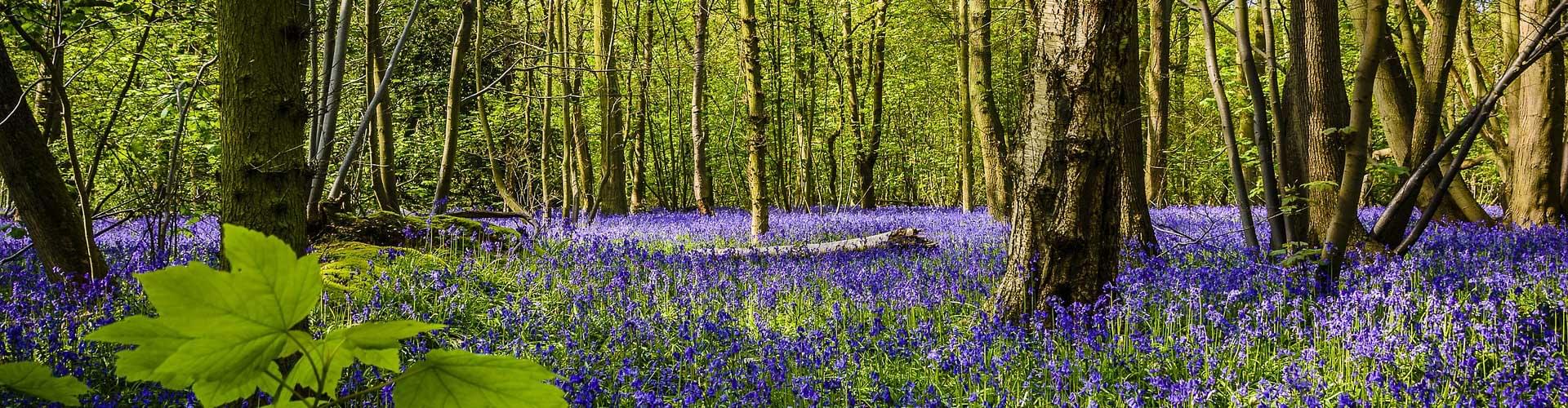
Every spring, bluebells transform the UK’s woodlands into magical carpets of vivid blue. Their arrival is eagerly awaited, signaling the end of winter and bringing life to forests and meadows across the country. Discover what makes these native wildflowers so special, the best places to see them, and how we can protect them for future generations.Why Are Bluebells So Special?
The UK is home to almost half of the world’s bluebell population, making these flowers a uniquely British spectacle. The native bluebell (*Hyacinthoides non-scripta*) is distinctive for its graceful, drooping stems with delicate, bell-shaped flowers. Their deep blue color and sweet fragrance create a mesmerizing sight in early spring, typically from mid-April to late May.
In folklore, bluebells have long been associated with enchantment and mystery. They’re sometimes called “fairy flowers,” as legend says fairies use them to lure people into the woods. These flowers also have ecological importance, supporting insects such as bees, which rely on them for nectar.
Best Places to See Bluebells in the UK
Bluebells flourish in ancient woodlands, where they have been growing for centuries. Here are some of the most enchanting bluebell woods in the UK:
- Ashridge Estate, Hertfordshire: A stunning National Trust site, Ashridge offers vast bluebell carpets under canopies of ancient trees.
- Hallerbos, Oxfordshire: Known as one of the UK’s finest bluebell woods, it provides an unforgettable spring experience.
- Hardcastle Crags, West Yorkshire: With winding paths through woodland, Hardcastle Crags showcases bluebells alongside rivers and moss-covered rocks.
How to Help Protect Bluebells
It’s essential to protect native bluebells as they face threats from habitat loss and hybridization with the Spanish bluebell (*Hyacinthoides hispanica*), a non-native species. You can help by sticking to marked paths in bluebell woods to avoid trampling these delicate plants, which can take years to recover.
Avoid picking wild bluebells, as they are protected by UK law, and consider planting native bluebells in your own garden to support their conservation.
Fascinating Bluebell Facts
- Lifecycle: Bluebells bloom early to make the most of the spring sunlight before trees fully leaf out.
- Slow Growth: They take up to seven years to reach flowering maturity, making them sensitive to disturbance.
- Protected Status: Native bluebells are protected under the Wildlife and Countryside Act 1981.
The sight of bluebell-strewn woodlands is a truly breathtaking experience that reminds us of the beauty of British wildflowers. Springtime in the UK wouldn’t be the same without this yearly spectacle, which continues to inspire nature lovers of all ages. Explore these magical places this spring to witness the beauty of bluebells, one of the UK’s most cherished natural wonders.
Back to Articles