



Find out more about our services
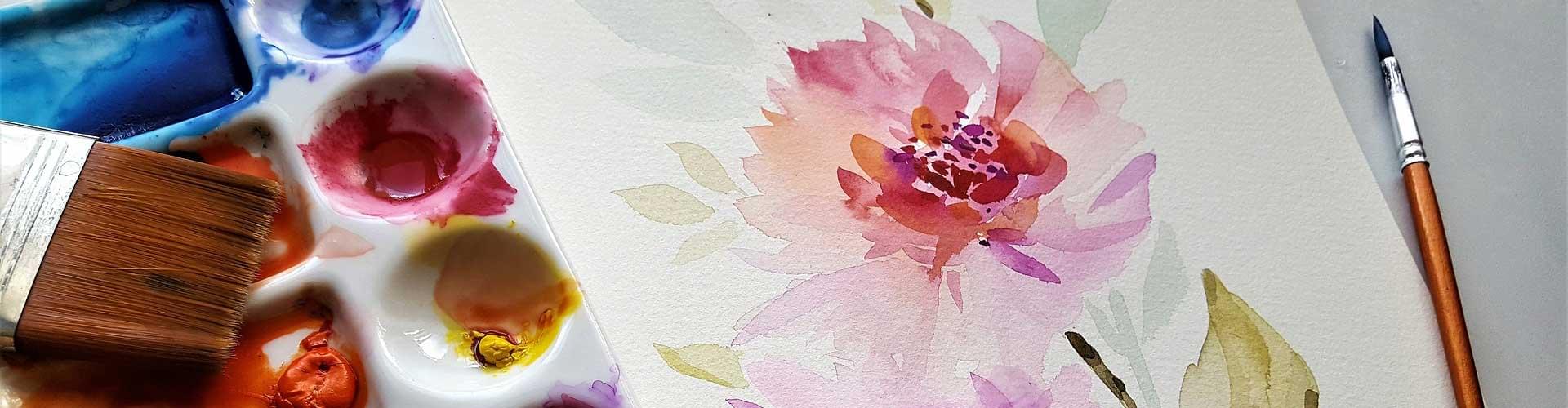
There’s something magical about capturing the delicate essence of flowers and plants through art. Botanical watercolors, a centuries-old tradition, allows gardeners and nature lovers to preserve the fleeting beauty of their gardens in vivid detail. Whether you’re a seasoned artist or a beginner looking to try something new, painting your garden’s flowers and foliage with watercolors can be both meditative and inspiring.In this blog post, we’ll explore the basics of botanical watercolor painting, tips for getting started, and the joy of creating lasting memories of your garden.
The Art of Botanical Watercolors
Botanical watercolor painting has a rich history dating back to the Renaissance when plant illustrations were used for scientific documentation. Artists sought to depict flowers and plants with stunning accuracy, often working alongside botanists to record plant species. Today, botanical art combines technical precision with the artist's ability to convey the beauty and personality of each plant.
Unlike traditional landscape painting, botanical art often focuses on a single plant or flower, highlighting intricate details such as the shape of the petals, the texture of the leaves, and the colors that make each specimen unique.
Getting Started with Botanical Watercolors
If you’re inspired by your garden’s beauty and want to try your hand at botanical watercolor painting, here’s how you can get started.
1. Gather Your Materials
To begin painting, you’ll need some basic supplies:
- Watercolor paints: A good-quality set of paints with a range of colors, especially greens, pinks, yellows, and purples.
- Watercolor paper: Choose heavy, acid-free watercolor paper to avoid warping and allow for smooth washes.
- Brushes: A fine-tipped brush for detailed work and a larger brush for washes.
- Pencil and eraser: Lightly sketch your subject before applying paint.
- A water container and paper towels: For rinsing brushes and blotting excess paint.
2. Choosing Your Subject
The best part about painting botanical watercolors is that you can find inspiration right in your garden. Take time to observe the plants you want to paint. Flowers like roses, tulips, and daisies are classic subjects, but don't overlook the beauty of simple leaves, ferns, or even vegetables like artichokes and peppers. If you’re painting indoors, you can clip flowers or stems and arrange them in a vase for easier observation.
3. Sketching Your Plant
Before applying paint, start with a light pencil sketch. Pay close attention to the shapes and proportions of your subject. Botanical art is often detailed and realistic, so take your time getting the outline right. Don’t worry if it’s not perfect—your painting can always evolve as you add layers of color.
4. Painting in Layers
Botanical watercolor painting often involves building up color gradually:
- First wash: Start with light, diluted colors to create the base layer. This helps establish the overall shape and tone of your subject.
- Mid-tones and details: Once your first layer is dry, begin adding mid-tones to build depth. Use fine brushes to add details like veins in leaves or subtle color changes in petals.
- Final touches: Add the darkest shadows and highlights last to create contrast and make your subject pop. You can also use a dry brush technique for more texture.
5. Practice Patience
Watercolors can be an unpredictable medium. Embrace the fluidity and enjoy the process rather than focusing on perfection. It’s okay to experiment with blending colors or trying different brush strokes. The more you practice, the more comfortable you’ll become.
Finding Inspiration in Your Garden
One of the joys of botanical painting is the endless source of inspiration your garden provides. As the seasons change, new flowers bloom and plants take on different colors and shapes, giving you fresh subjects to paint year-round. You can create a series of paintings documenting the life cycle of a single plant or capture the overall feeling of your garden in spring, summer, or autumn.
Take photos of your plants during peak bloom to paint later when you're indoors. It’s also helpful to keep a sketchbook where you can make quick drawings and notes about colors, lighting, and the mood of your garden.
Learning from Botanical Art Masters
If you’re interested in taking your botanical painting skills to the next level, studying works from renowned botanical artists can provide valuable insight. Artists like Georg Dionysius Ehret and Maria Sibylla Merian are celebrated for their precision and artistry in depicting plants and insects. You can also explore contemporary botanical artists who bring a modern twist to this traditional art form.
Tips for Painting Success
- Observe closely: Botanical art is all about the details. Spend time really looking at your plant, noting subtle color shifts, textures, and light effects.
- Work with light: Watercolors are transparent, which makes working with light especially important. Leave areas of your paper untouched to create natural highlights.
- Use layers: Build up your painting gradually with light washes, adding more detail as you go. This helps create depth and dimension.
- Have fun: Remember, art is a personal expression. Don’t be afraid to play with color and style.
Why Paint Botanical Watercolors?
For many, botanical watercolor painting is more than just a creative outlet—it’s a way to deepen their connection with nature. By observing and painting your garden, you’ll start to appreciate the intricate details of each flower, leaf, and stem in a new way. You’ll find yourself more in tune with the rhythm of the seasons and the ever-changing beauty that your garden provides.
Whether you frame your paintings or keep them in a personal sketchbook, they serve as a lasting memory of the natural beauty that surrounds you.
Back to Articles