



Find out more about our services
Cottage gardens have long been celebrated as the epitome of English charm, offering a blend of beauty, practicality, and nostalgia. These gardens, with their riot of colours, fragrant blooms, and informal layouts, capture the essence of a traditional English countryside. Whether you're looking to transform your outdoor space into a lush, flower-filled haven or simply appreciate the beauty of this classic style, cottage gardens provide a welcoming retreat that feels both timeless and personal.The Origins of Cottage Gardens
The cottage garden style dates back to the late Middle Ages, where humble, working-class families in rural England grew flowers, herbs, and vegetables together in a single plot. These gardens were practical, providing food and medicine, while also adding beauty to the home. Over time, the style evolved, influenced by the romantic movement of the 19th century, which idealised the simplicity and charm of rural life.
Today, cottage gardens continue to inspire gardeners around the world, celebrated for their informal, yet abundant, planting style. The charm of a cottage garden lies in its seemingly effortless beauty—an unstructured yet harmonious blend of plants that thrive in a relaxed, natural setting.
Creating Your Own Cottage Garden
Creating a cottage garden doesn't require a large space or a grand design. In fact, the beauty of this style is its adaptability to any size garden, from small urban plots to sprawling country yards. Here are some key elements to consider when designing your own cottage garden:
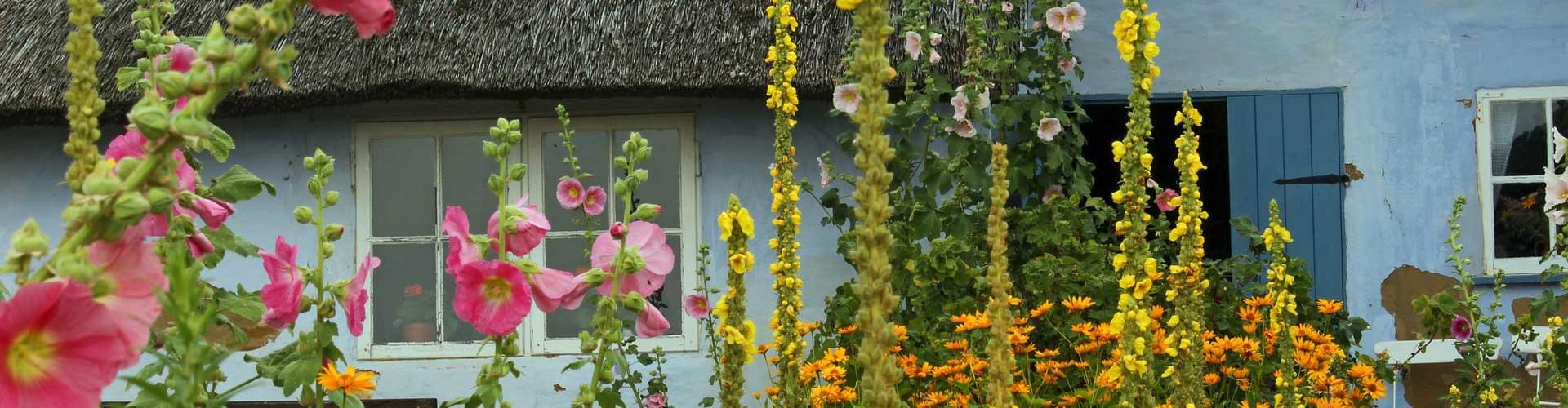
1. Plant Variety: A hallmark of cottage gardens is the diversity of plants. Combine a mix of flowering perennials, shrubs, climbers, and herbs to create layers of colour and texture. Popular choices include roses, foxgloves, delphiniums, lavender, hollyhocks, and peonies. The goal is to achieve a natural, slightly wild look where plants grow closely together.
2. Curved Pathways: Instead of straight lines and formal layouts, opt for winding pathways that meander through the garden. These paths can be made of gravel, brick, or stone, and should feel as though they’ve been there for years. The aim is to create a sense of exploration, inviting visitors to wander through the garden.
3. Mix of Heights: Incorporate plants of varying heights to add depth and interest. Tall plants like sunflowers or hollyhocks can be planted at the back, with shorter varieties like daisies and marigolds towards the front. This layering effect creates a full, lush appearance that is characteristic of cottage gardens.
4. Rustic Features: Incorporate rustic elements like wooden trellises, old stone walls, or a picket fence to enhance the traditional charm of your cottage garden. A weathered bench or a vintage watering can used as a planter can add a touch of nostalgia and personalisation.
5. Wildlife-Friendly: Cottage gardens are known for attracting bees, butterflies, and birds. Choose nectar-rich flowers and create habitats, such as birdhouses or a small pond, to encourage wildlife to visit your garden. This not only adds to the charm but also supports local biodiversity.
6. Herbs and Edibles: Integrate herbs and vegetables among your flowers to reflect the practical origins of cottage gardens. Herbs like rosemary, thyme, and sage add both fragrance and culinary use, while vegetables like beans and lettuce can be grown alongside ornamental plants for a beautiful and productive garden.
Maintaining a Cottage Garden
While cottage gardens are designed to look natural and effortless, they do require some care to maintain their charm. Regular deadheading of flowers, weeding, and occasional pruning will help keep the garden looking its best. However, the maintenance of a cottage garden should never feel overly fussy. The beauty of this style lies in its relaxed, somewhat untamed appearance.
Mulching your beds with organic material will help retain moisture and suppress weeds, while also adding nutrients to the soil. During dry spells, make sure to water your plants, especially new additions and those in pots. Over time, you may find that some plants outgrow their space—this is all part of the cottage garden's evolving nature. Don't be afraid to move things around or let certain plants self-seed for a more natural look.
Conclusion
Cottage gardens embody the quintessential English charm, offering a perfect blend of beauty, practicality, and timeless appeal. Whether you're starting from scratch or looking to add some traditional elements to your existing garden, the cottage garden style provides endless opportunities for creativity and personal expression. By combining a variety of plants, incorporating rustic features, and embracing a relaxed approach to gardening, you can create a space that feels both enchanting and welcoming—a true reflection of the classic English countryside.
Back to Articles