



Find out more about our services
Rock gardens can be a stunning and low-maintenance addition to any outdoor space, especially for those with sloping land, poor soil, or limited water. They mimic rugged landscapes, are great for a variety of plants, and add a natural, serene feel to the garden. Here’s how to design a rock garden that suits the UK climate and showcases beautiful alpine plants and unique stones.1. Choose the Right Location
When planning a rock garden, start by selecting a spot with good drainage, as most rock garden plants prefer dry, well-drained soil. If possible, choose a sunny or partially shaded area, as many rock garden plants, like alpines, thrive with sunlight. Rock gardens work well on slopes, but you can also create them on flat ground by building up layers with rocks and soil.
2. Select Stones and Rocks
Use local stones or rocks for a natural look that blends with the surroundings. In the UK, limestone, sandstone, and granite are popular choices. Place larger rocks first, embedding them at least halfway into the ground for a stable, natural appearance. Try to arrange rocks in clusters, as if they’ve naturally settled over time, and leave gaps between stones to plant greenery.
3. Add Suitable Soil
Rock gardens typically require well-drained soil. Improve drainage by mixing in sand or gravel, especially in areas where the soil may be clay-heavy. For a lush yet natural look, use soil with a mix of organic matter and minerals to support plants but still retain that rugged appearance.
4. Choose Plants for Your Rock Garden
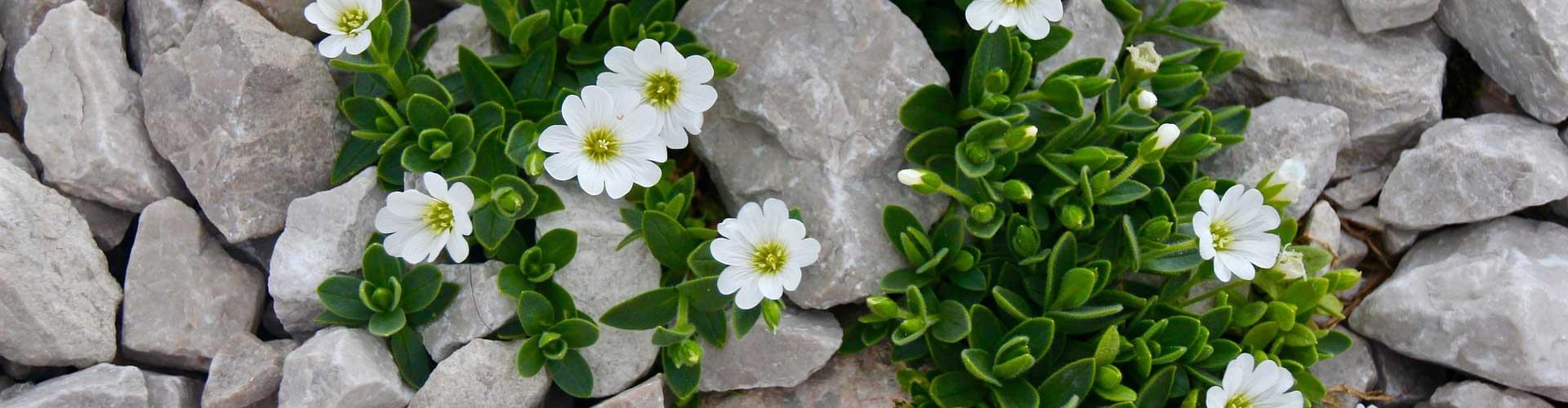
Rock gardens are ideal for alpine plants, succulents, and drought-resistant species that add greenery without overwhelming the natural stone feature. In the UK, consider these plant choices:
- Alpines: Hardy, low-growing plants like Saxifraga, sedums, and creeping thyme are perfect for rock gardens.
- Grasses: Ornamental grasses, such as Festuca, add texture and movement.
- Small Shrubs: Compact shrubs like dwarf conifers and heathers work well with rocks and add year-round structure.
5. Plan Rock Placement and Layering
Layering rocks in different sizes and heights adds depth and interest. Begin with larger rocks at the back or middle and gradually build smaller ones around them to create a natural slope. Plant ground-hugging species in the crevices between rocks to give the effect of plants growing out of the stone.
6. Incorporate Water Features
A small water feature, like a pond or trickling stream, adds serenity to a rock garden. Keep it simple to maintain the natural look—small ponds edged with rocks or a gentle waterfall can complement the rugged landscape beautifully.
7. Consider Maintenance
One of the benefits of a rock garden is its low-maintenance nature. Once established, it requires minimal watering and is resistant to weeds if properly designed. Annual pruning and occasional clearing of fallen leaves are usually all that’s needed.
Rock gardens can transform your garden into a beautiful, natural retreat. With well-placed rocks, suitable plants, and thoughtful design, you can enjoy a unique feature that adds character and charm to your outdoor space. Creating a rock garden is a fulfilling project that brings a sense of rugged beauty and tranquility to any UK garden, allowing you to appreciate the simplicity and resilience of nature’s elements.
Back to Articles