



Find out more about our services
Foraging in the Wild: Edible Plants of the UK
The UK's diverse natural landscapes are home to a treasure trove of edible plants, waiting to be discovered by adventurous foragers. From woodlands and hedgerows to meadows and coastal areas, there's an abundance of wild ingredients just waiting to be harvested and enjoyed. Whether you're a seasoned forager or a curious beginner, exploring the world of edible plants offers a rewarding and sustainable way to connect with nature and expand your culinary horizons. Join us as we delve into the fascinating world of foraging and uncover some of the delicious edible plants found throughout the UK.
The Art of Foraging:
Foraging involves gathering wild plants, fungi, and other natural ingredients for food and medicinal purposes. However, it's essential to forage responsibly and ethically, following these guidelines:
1. Safety First: Only forage plants that you can confidently identify and verify as safe for consumption. Be cautious of poisonous look-alike species and avoid foraging in polluted or contaminated areas.
2. Respect Nature: Harvest plants in moderation, leaving plenty behind for wildlife and future foragers. Avoid damaging habitats or disturbing wildlife while foraging, and always obtain landowner permission before foraging on private property.
3. Sustainability: Practice sustainable foraging by harvesting plants ethically and in accordance with local regulations. Focus on invasive species or abundant plants to minimize ecological impact, and consider replanting or propagating wild plants to support biodiversity.
4. Learn and Educate: Invest time in learning about wild plants, their identification, and uses through field guides, workshops, or foraging courses. Share your knowledge with others and promote responsible foraging practices within your community.
Edible Plants of the UK:
Explore some of the delicious and nutritious edible plants that can be foraged throughout the UK:
1. Wild Garlic (Allium ursinum): Commonly found in woodlands and along riverbanks, wild garlic leaves and flowers add a delicate garlic flavor to salads, soups, and pesto.
2. Nettles (Urtica dioica): Despite their sting, nettles are a versatile and nutritious wild green, rich in vitamins and minerals. Blanch or steam nettles to remove the sting, then use them in soups, stir-fries, or teas.
3. Elderflowers (Sambucus nigra): Fragrant elderflowers bloom in late spring and can be used to make refreshing cordials, syrups, or fritters. Be sure to leave some flowers to mature into elderberries later in the season.
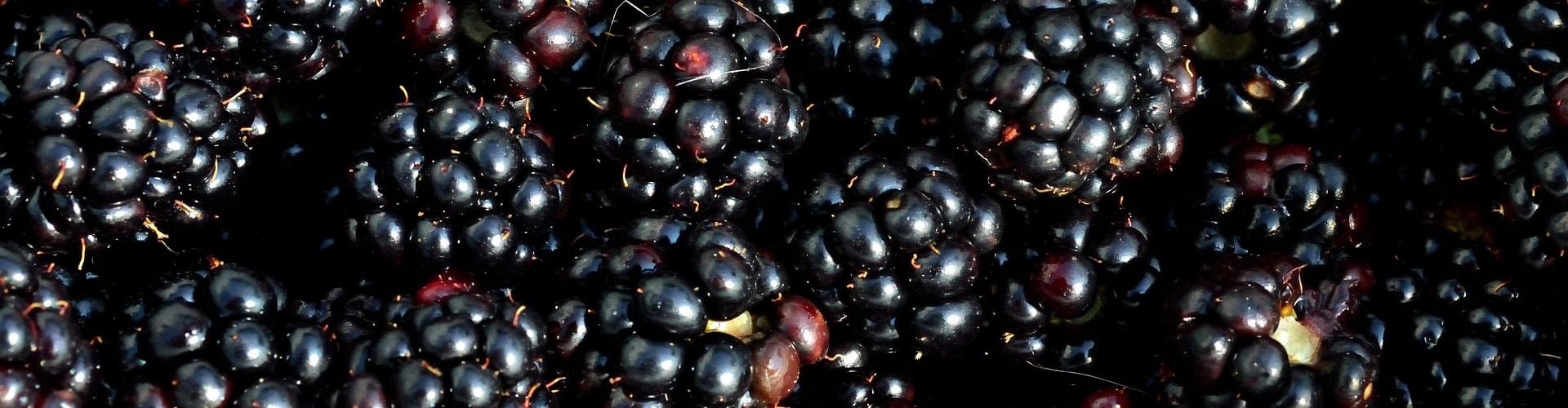
4. Brambles (Rubus fruticosus): Blackberries, raspberries, and other bramble fruits are abundant in hedgerows and woodlands during late summer and early autumn. Enjoy them fresh, or use them in jams, pies, and desserts.
Foraging Recipes and Tips:
Experiment with wild ingredients in the kitchen with these foraging-inspired recipes:
- Wild Garlic Pesto: Blend wild garlic leaves with nuts, Parmesan cheese, olive oil, and lemon juice to make a vibrant and flavorful pesto.
- Nettle Soup: Cook nettles with potatoes, onions, garlic, and stock, then blend until smooth for a nourishing and comforting soup.
- Elderflower Cordial: Steep elderflowers in a sugar and water syrup with lemon zest and citric acid, then strain and bottle for a refreshing homemade cordial.
- Bramble Crumble: Mix fresh bramble fruits with sugar and a squeeze of lemon juice, then top with a crumble topping made from flour, oats, butter, and sugar before baking until golden and bubbling.
Conclusion:
Foraging in the wild offers a unique opportunity to connect with nature, discover new flavors, and explore the rich biodiversity of the UK's landscapes. By learning to identify edible plants, practicing responsible foraging, and incorporating wild ingredients into your culinary repertoire, you can embark on a delicious and rewarding culinary adventure. Whether you're harvesting wild garlic in spring, elderflowers in summer, or brambles in autumn, foraging opens up a world of culinary possibilities and fosters a deeper appreciation for the natural world around us.
Back to Articles