



Find out more about our services
Gardening for Wildlife, Projects That Attract Animals
A garden can be more than a place for human relaxation or decoration, it can also become a sanctuary for wildlife. By creating the right conditions and adding features that support animals, even the smallest outdoor space can come to life with birdsong, fluttering wings and rustling in the undergrowth. Gardening for wildlife is not only rewarding to watch, it also plays a crucial role in supporting biodiversity and restoring natural balance
Wildlife friendly gardening starts with thinking beyond appearance. Instead of focusing only on neat lawns and ornamental plants, consider what animals need to survive and thrive. Food, water, shelter and safe places to raise their young are all essential, and a garden that provides these elements will soon become a magnet for wildlife
Planting native species is one of the most effective ways to attract wildlife. Native plants have evolved alongside local insects and animals, providing the right food at the right time of year. Wildflowers like oxeye daisies, knapweed, birdsfoot trefoil and red campion support a wide range of pollinators, especially bees and butterflies. These flowers not only bring vibrant colour but also offer nectar and pollen to insects struggling to find food in overdeveloped landscapes
Hedgerows and shrubs offer food and shelter to birds, mammals and insects. Species like hawthorn, dog rose and hazel provide berries, blossom and nesting sites throughout the year. Even a small hedge or group of bushes can create a mini ecosystem, especially when left a little wild. Avoid over-pruning in spring and summer so birds can safely nest without disturbance
Adding a wildlife pond, even a small one made from a buried washing up bowl or container, is one of the best projects for boosting biodiversity. Frogs, newts, dragonflies and countless insects depend on water to breed and live. Ponds also attract birds and mammals looking for a drink. To make your pond wildlife friendly, avoid introducing fish and use gently sloping sides so animals can climb in and out safely
Log piles, stone stacks and deadwood features mimic the natural decay found in forests and countryside, providing vital habitats for beetles, fungi, hedgehogs and amphibians. Instead of throwing away garden waste, consider creating a wildlife corner where nature is free to do its work. Letting an area grow wild or leaving a patch of grass unmown is another easy way to support insects and ground-nesting creatures
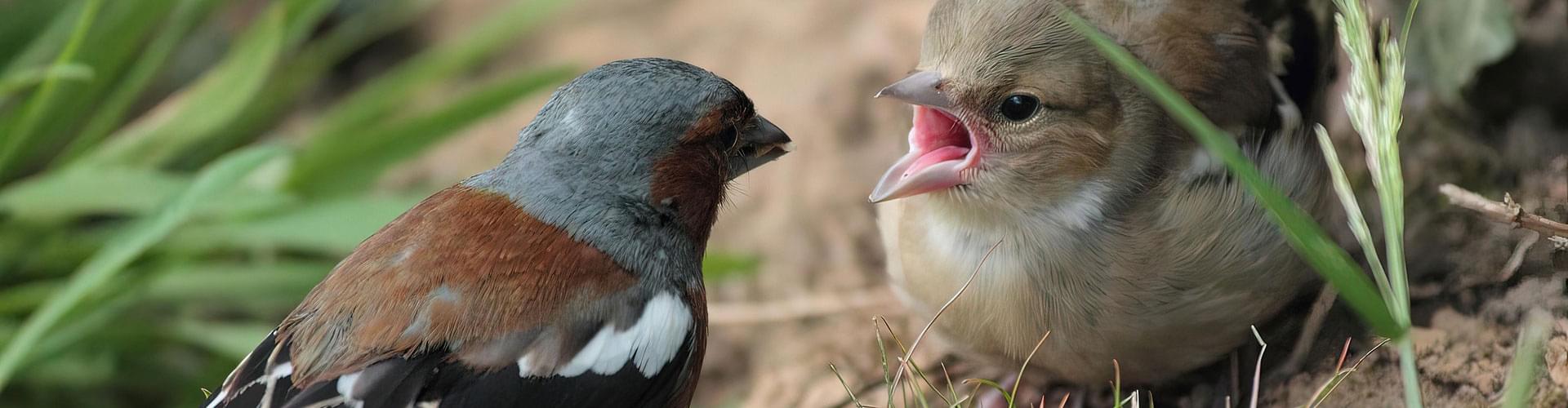
Feeding birds is a popular way to connect with nature, but it should be done thoughtfully. Offer a variety of seeds, suet and fresh water in clean feeders placed away from predators. Nest boxes are also helpful, especially in urban areas where natural cavities are limited. Position them out of direct sunlight and avoid disturbance during breeding season
Creating insect hotels from hollow stems, bamboo canes or drilled wood blocks gives solitary bees and other insects a place to rest and lay eggs. These small structures are fun to build and can be tucked into sunny walls, fences or garden corners. Insect hotels support pollinators which in turn help your garden thrive
Composting is another win for wildlife. A well-managed compost heap not only reduces waste but also supports worms, beetles and microorganisms that improve soil health. Larger compost piles can even shelter slow worms or toads, providing warmth and cover in colder months
Lighting can have a major impact on nocturnal wildlife. Try to reduce artificial lighting in the garden, especially near hedgerows, trees or ponds. Moths, bats and other night creatures need darkness to feed and navigate. If lights are necessary for safety, choose low-level or motion sensor lights with warm tones
Even the layout of a wildlife garden can make a difference. Connecting different habitats with natural pathways, planting layers of vegetation from low ground cover to tall trees and avoiding chemicals all contribute to a healthy and welcoming space. Every element plays a part, from the plants you choose to the way you manage them through the seasons
Gardening for wildlife is about creating harmony between people and nature. It’s not about giving up beauty or order but about embracing life in all its forms. A garden full of bees, butterflies, birds and animals is dynamic, rewarding and alive. With just a few changes and projects, anyone can turn their outdoor space into a refuge for the natural world
By choosing to garden for wildlife, you’re joining a growing movement of people who want to protect and restore nature from their own back gardens. Every wildflower patch, every pond, every nest box is a small but powerful step toward a richer and more balanced future for us all.
Back to Articles