



Find out more about our services
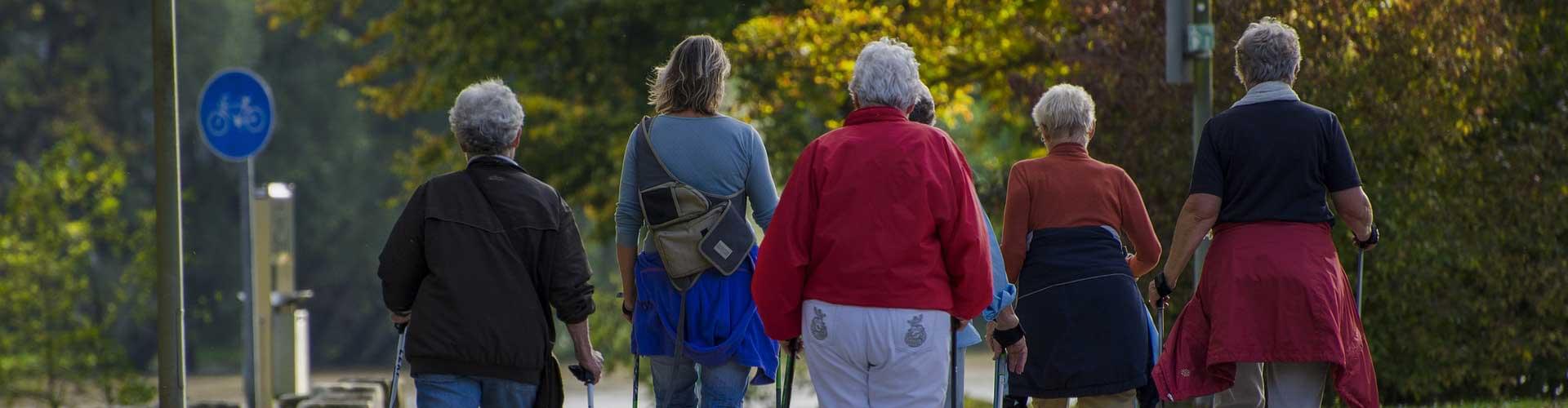
The UK’s diverse landscapes offer an incredible range of flora and fauna, from coastal cliffs teeming with birdlife to ancient woodlands full of hidden wonders. For those looking to deepen their connection with nature, guided nature walks led by expert naturalists provide the perfect opportunity to explore the great outdoors while learning about the unique ecosystems and wildlife that call the UK home.Whether you're a seasoned wildlife enthusiast or simply curious about the world around you, guided nature walks are a great way to immerse yourself in the beauty of the natural world while gaining valuable insights from knowledgeable guides.
Why Join a Guided Nature Walk?
Guided nature walks offer much more than a simple stroll in the countryside. With an experienced naturalist by your side, you’ll have the chance to:
- Discover hidden wildlife: Many animals and plants are easy to overlook without trained eyes. Naturalists can point out rare species, animal tracks, and signs of activity that might otherwise go unnoticed.
- Learn fascinating facts: From the medicinal properties of native plants to the intricate relationships between species, naturalists share stories and facts that deepen your appreciation of the environment.
- Connect with nature: Walking in nature with a guide allows you to observe the environment in a mindful way, slowing down to truly take in the sights, sounds, and smells of the outdoors.
- Support conservation efforts: Many guided walks are organised by conservation groups, meaning your participation helps fund efforts to protect local wildlife and ecosystems.
Popular Guided Nature Walk Locations in the UK
The UK is rich in natural beauty, and guided walks are offered in nearly every region. Here are a few standout locations where you can embark on a guided nature walk with expert naturalists:
1. The New Forest – Hampshire
The New Forest National Park is home to ancient woodlands, heathlands, and wild ponies, offering a diverse landscape for nature walks. Guided walks here will introduce you to the unique ecology of the forest, including its rich birdlife and diverse plant species. Many walks also explore the history of the area, including its royal hunting grounds and ancient villages.
Look out for:
- Rare butterflies like the silver-studded blue.
- Herds of wild ponies and deer.
2. RSPB Minsmere – Suffolk
For birdwatching enthusiasts, a guided walk through RSPB Minsmere on the Suffolk coast is a must. This nature reserve is one of the best places in the UK to spot a wide variety of bird species, from avocets and bitterns to marsh harriers. Naturalists at Minsmere lead seasonal walks that focus on bird migration patterns, breeding behaviours, and the delicate balance of the wetland ecosystem.
Look out for:
- Iconic species like the bittern, bearded tit, and nightjar.
- Beautiful coastal scenery, including shingle beaches and reed beds.
3. The Cairngorms – Scotland
The Cairngorms National Park in Scotland is a rugged and wild landscape, home to some of the UK’s rarest wildlife. Guided nature walks here often focus on spotting elusive species like the capercaillie, Scottish wildcat, and golden eagle. Naturalists will help you navigate the expansive terrain, offering insights into the region’s unique habitats, from ancient pine forests to arctic tundra.
Look out for:
- Majestic golden eagles soaring above the mountains.
- The endangered red squirrel and rare wildflowers.
4. Brecon Beacons – Wales
The Brecon Beacons National Park offers a stunning backdrop for guided nature walks, with its rolling hills, waterfalls, and moorland. Naturalist-led walks here focus on the park's geology, wildlife, and rich folklore. You’ll learn about the ancient rock formations, explore hidden valleys, and potentially spot rare wildlife like the peregrine falcon or otter.
Look out for:
- Stunning waterfalls hidden in the park’s woodlands.
- Buzzards and red kites circling in the skies.
Learning from the Experts
The true value of a guided nature walk comes from the expertise of the naturalists leading the way. These knowledgeable guides are often scientists, conservationists, or dedicated volunteers with a passion for sharing their understanding of the natural world. They can help you identify plants and animals, explain complex ecological processes, and even share local folklore connected to the landscape.
Naturalists often carry field guides, binoculars, and other tools that enhance the walk. You might even get the chance to observe wildlife up close with equipment like telescopes or magnifying glasses.
How to Prepare for a Guided Nature Walk
To make the most of your guided walk, here are a few tips:
- Dress appropriately: Wear sturdy walking shoes, weather-appropriate clothing, and bring a waterproof jacket just in case. UK weather can be unpredictable!
- Bring binoculars: If you’re interested in birdwatching or spotting wildlife at a distance, binoculars can make a big difference.
- Ask questions: Don’t be afraid to ask your guide about anything you’re curious about. Whether it’s a particular plant, an animal track, or a conservation issue, your guide is there to enhance your experience.
- Stay quiet: Wildlife is often shy, so be mindful of your surroundings and keep noise to a minimum, especially when observing animals.
Supporting Conservation Through Nature Walks
Many guided nature walks are organised by conservation charities and wildlife trusts. These organisations work tirelessly to protect natural habitats, restore endangered species, and promote biodiversity. By joining their walks, you’re contributing to these vital conservation efforts.
A Final Word on Guided Nature Walks
Guided nature walks provide a rare opportunity to slow down, connect with nature, and gain a deeper understanding of the ecosystems that surround us. Whether you’re exploring the forests of Hampshire or the mountains of Scotland, these walks offer a peaceful yet educational experience that’s perfect for individuals, families, or groups looking to reconnect with the natural world.
Back to Articles