



Find out more about our services
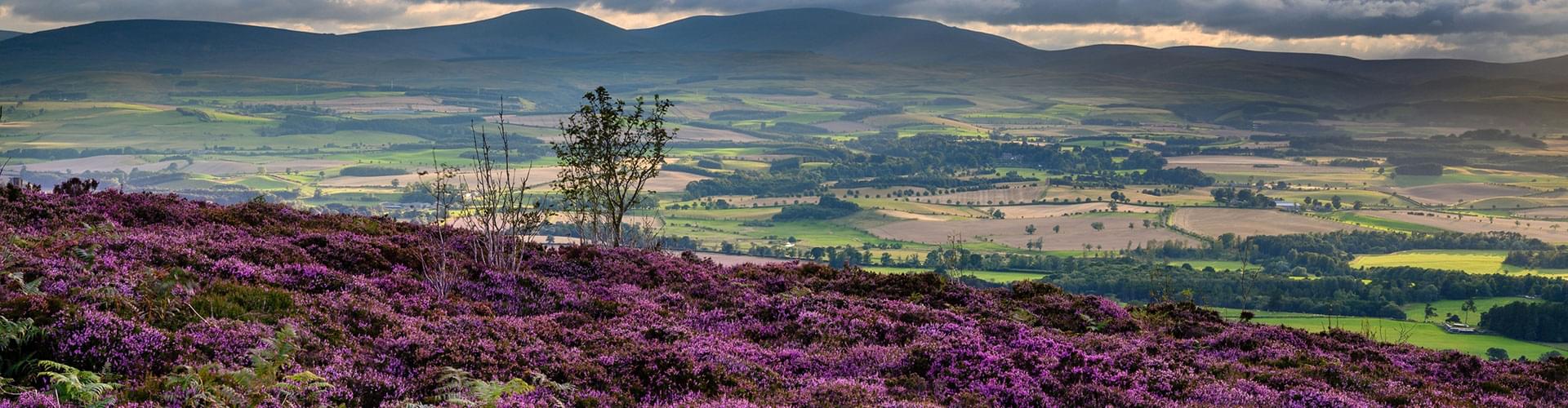
Few landscapes capture the imagination quite like the heather-covered moorlands of the United Kingdom. These wild, open spaces, often blanketed in purple and pink blooms from late summer, offer some of the most dramatic and peaceful scenery in the country. From the Yorkshire Moors to the Highlands of Scotland, the UK's moorlands are steeped in history, teeming with wildlife and perfect for exploration on foot.For walkers, nature lovers and those seeking quiet, wind-swept vistas, the moors provide a timeless escape from busy modern life. Their stark beauty, shifting skies and rolling heather-clad hills inspire artists, poets and adventurers alike.
What makes moorlands so special
Moorlands are a type of upland habitat typically found in cooler, wetter climates. In the UK, they are most commonly seen in the north and west of England, Wales and Scotland. Characterised by open, treeless terrain, acidic soils and low-growing shrubs like heather, bilberry and gorse, these landscapes can appear barren at first glance.
But look closer and you’ll discover a rich tapestry of life. These ecosystems are home to rare birds such as the red grouse, curlew and golden plover, along with mammals like mountain hares and red deer. Moorlands are also vital carbon sinks, helping combat climate change by storing large amounts of peat-based carbon in their soil.
The beauty of the heather bloom
One of the most striking features of the moorlands is the blooming of heather. Usually peaking in August and early September, the heather turns the hills into a sea of soft purple, pink and magenta. Walking through a heather-covered trail during this time is a sensory experience—fragrant air, buzzing bees, and panoramic views in every direction.
Three types of heather grow in the UK, including ling (common heather), bell heather and cross-leaved heath. Ling is the most widespread and gives the moors their iconic colour each summer.
Top UK moorlands to explore
The North York Moors – This national park in northeast England is one of the best places to experience classic heather-covered hills. With over 1,400 miles of footpaths, quiet villages and ancient abbeys, it offers a rich mix of scenery and history.
Dartmoor – Located in Devon, Dartmoor’s granite tors and windswept moorland create an atmospheric setting, often shrouded in mist. Known for its wild ponies and archaeological sites, it’s a favourite for hikers and photographers.
The Peak District – Britain’s first national park features both dramatic gritstone edges and rolling heather-covered plateaus. The Dark Peak region is particularly known for its upland moorland and challenging walks.
Cairngorms – In the Scottish Highlands, the Cairngorms offer a wilder and more remote moorland experience. The landscape here includes high mountain plateaus, deep glens and vast stretches of heather heath.
Preserving a delicate ecosystem
UK moorlands may seem hardy, but they are in fact fragile environments. Overgrazing, wildfires, peat extraction and human activity have damaged many moorland habitats. Conservation efforts are now in place to restore and protect these precious landscapes.
Responsible tourism plays a key role. Staying on marked trails, avoiding litter, and respecting wildlife help preserve the moors for future generations. Many national parks and conservation organisations also run volunteer programmes to support habitat restoration and education.
Wildlife and seasonal changes
Moorlands are rich in seasonal variation. In spring, cotton grass and bog asphodel start to bloom, while birds begin nesting. Summer brings the dramatic heather bloom and more visible birdlife. Autumn turns the moors golden brown, and in winter the hills can be stark and snow-dusted, offering a different kind of beauty.
Wildlife varies depending on location and season. Birdwatchers might spot skylarks, merlins or even hen harriers. Early risers could catch a glimpse of a deer in the mist, while insect lovers will find bees, butterflies and dragonflies buzzing through the flowers.
Tips for moorland walking
1. Check the weather, UK moorlands are known for sudden changes. Dress in layers and bring waterproofs.
2. Stick to marked trails where possible to protect the delicate vegetation and stay safe.
3. Bring a map, GPS or compass, as signal can be unreliable in remote areas.
4. Carry water, snacks and a small first-aid kit, especially if hiking alone.
5. Visit during the heather bloom for the most colourful and rewarding experience.
A place of inspiration and solitude
The heather-covered hills of the UK offer a rare combination of wilderness, colour and peace. For centuries, they’ve been places of solitude and inspiration, from the Brontë sisters wandering the Yorkshire moors to climbers and hikers seeking panoramic views in the Highlands.
Whether you're enjoying a gentle ramble among the purple blooms, picnicking with views of endless hills or venturing across a misty plateau, the moors invite you to slow down and reconnect with nature.
In every season and every region, the UK’s moorlands are places of quiet beauty and untamed charm. They remain among the most atmospheric and rewarding landscapes to explore on foot, camera in hand and wind at your back.
Back to Articles