



Find out more about our services
Creating a succulent garden is an excellent way to add lasting beauty to your outdoor space, especially in climates where water conservation is essential. In the UK, where weather can be unpredictable, succulent gardens offer a resilient and low-maintenance option that can thrive in a variety of conditions. Whether you have a sunny balcony, a spacious garden, or even an indoor area, succulents provide versatile and attractive greenery that suits any setting.Succulents are a diverse group of plants known for their thick, fleshy leaves and stems that store water, making them exceptionally drought-tolerant. This characteristic not only helps them survive dry periods but also reduces the need for frequent watering, which is ideal for busy gardeners or those looking to conserve water.
Choosing the Right Succulents for the UK Climate
When selecting succulents for your garden in the UK, it's important to consider the specific climate of your region. While many succulents thrive in warm, dry conditions, several varieties are well-suited to the cooler and wetter climates found in the UK. Some popular options include:
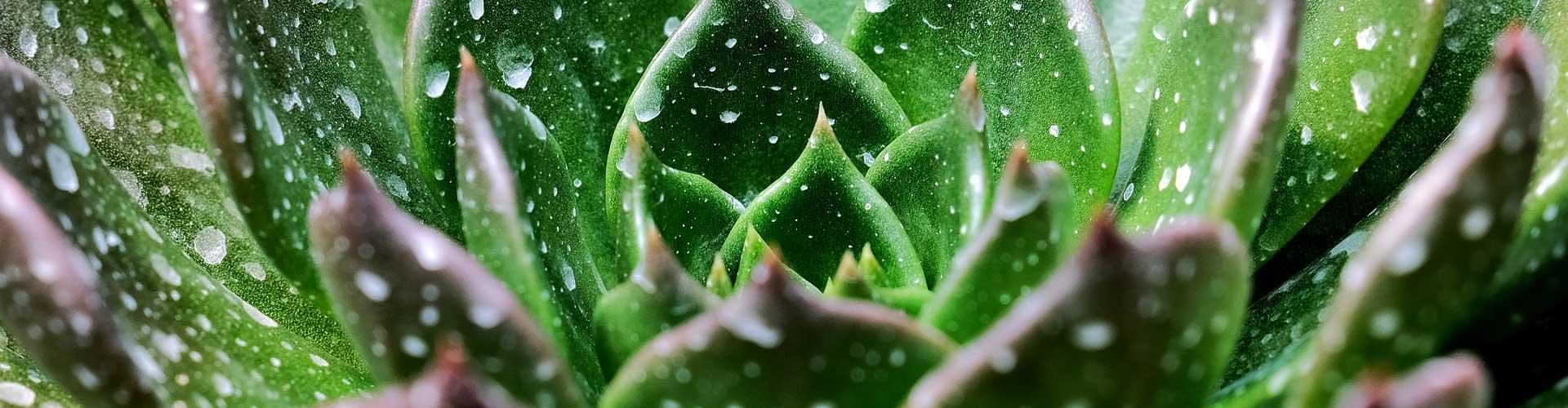
Echeveria: Known for their stunning rosette shapes and vibrant colors, Echeverias are perfect for adding a touch of elegance to your garden. They prefer well-drained soil and plenty of sunlight, making them ideal for sunny windowsills or sheltered garden spots.
Sedum: Also known as stonecrops, Sedums are incredibly hardy and versatile. They come in a wide range of sizes and colors, making them suitable for various garden styles. Sedums can handle partial shade, making them a great choice for areas that receive less direct sunlight.
Hens and Chicks (Sempervivum): These charming plants form clumps that spread over time, creating a lush, green carpet. They are extremely hardy and can withstand colder temperatures, making them ideal for outdoor gardens in the UK.
Aloe Vera: While some Aloe species are better suited to warmer climates, certain varieties can thrive indoors in the UK. Aloe Vera is not only attractive but also has medicinal properties, making it a valuable addition to any succulent garden.
Creating Your Succulent Garden
Once you have selected the appropriate succulents for your climate, the next step is to create a suitable environment for them to thrive. Here are some essential tips for setting up your succulent garden:
Soil: Succulents require well-drained soil to prevent root rot. You can create your own mix by combining regular potting soil with sand or perlite to improve drainage. Alternatively, use a commercial cactus or succulent soil mix.
Light: Most succulents need plenty of sunlight to maintain their vibrant colors and compact growth. Place them in a location that receives at least six hours of direct sunlight each day. If natural light is limited, consider using grow lights to supplement their needs.
Containers: When planting succulents in containers, ensure they have adequate drainage holes. Terra cotta pots are an excellent choice as they allow excess moisture to evaporate, helping to keep the roots dry.
Watering: One of the key benefits of succulents is their low water requirement. Water your succulents thoroughly but infrequently, allowing the soil to dry out completely between watering sessions. During the winter months, reduce watering even further as most succulents enter a dormant phase.
Maintenance: Succulents are generally low-maintenance, but regular deadheading of spent flowers and removing any damaged or diseased leaves will help keep your garden looking its best. Additionally, repotting may be necessary as your plants grow to prevent overcrowding and ensure they have enough space to thrive.
Benefits of a Succulent Garden
Creating a succulent garden offers numerous benefits beyond their drought-tolerant nature. Succulents add unique textures and colors to your garden, providing visual interest throughout the year. Their compact growth habit makes them ideal for small spaces, such as balconies and patios, while larger varieties can serve as striking focal points in bigger gardens.
Moreover, succulents are excellent for promoting biodiversity. Many succulent species attract pollinators like bees and butterflies, contributing to a healthy ecosystem in your garden. Their resilience also means they are less susceptible to pests and diseases, reducing the need for chemical interventions.
Indoor Succulent Gardens
In addition to outdoor gardens, succulents can thrive indoors, making them a versatile choice for any home. Indoor succulent gardens can brighten up your living space, providing a touch of nature and improving air quality. To create an indoor succulent garden, ensure your plants receive adequate light by placing them near windows or using artificial lighting. Choose attractive containers that complement your interior décor, and remember to maintain proper watering practices to keep your indoor succulents healthy.
Conclusion
Succulent gardens are a beautiful and practical choice for gardeners in the UK, offering drought-tolerant beauty that can adapt to various climates and settings. By selecting the right plants, providing suitable growing conditions, and following simple maintenance practices, you can enjoy a thriving succulent garden that enhances your outdoor or indoor space. Whether you are a seasoned gardener or just starting, succulents provide a rewarding and low-maintenance way to bring nature’s resilience and charm into your home.
Back to Articles