



Find out more about our services
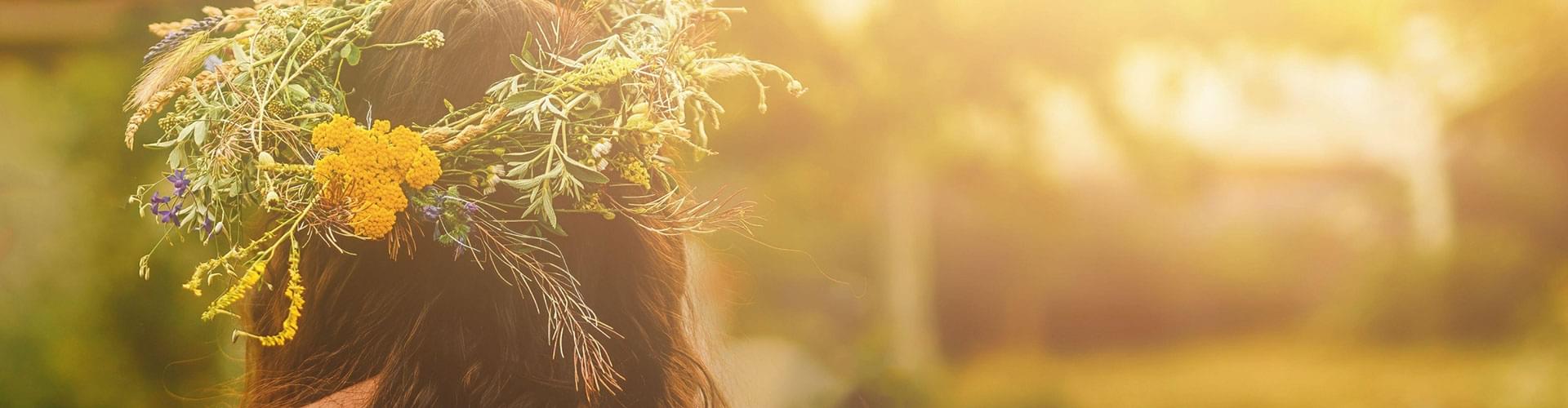
Each year in June, as the Earth tilts closest to the sun, the UK marks the summer solstice with a blend of ancient tradition, spiritual celebration, and joyful connection with nature. The solstice, typically falling on or around the 21st of June—is the longest day of the year. It has been observed in Britain for thousands of years, its rhythms woven into prehistoric monuments, folklore, and seasonal festivals. Today, people across the UK continue to honour this turning point in the calendar with gatherings that embrace the outdoors, the sun, and the cycle of life.One of the most iconic solstice celebrations in the UK takes place at Stonehenge. This ancient stone circle in Wiltshire has become a magnet for thousands of people who come to witness the sunrise align perfectly with the Heel Stone. For many, this is not just a visual spectacle, it’s a deeply spiritual experience that connects them with the ancestors who built the monument some 5,000 years ago. Druids, pagans, and curious visitors gather in the early hours, often camping overnight, to share in the stillness and power of the moment.
Just a short distance from Stonehenge, Avebury stone circle offers a quieter, more relaxed solstice experience. With its sprawling layout and village surroundings, Avebury allows for a more personal connection to the ancient stones. People gather with drums, flowers, and gentle ceremony to greet the dawn, often followed by community picnics, storytelling, and music as the day unfolds.
Further north, solstice celebrations take on a wilder tone in places like the Lake District, Yorkshire Dales, and the Scottish Highlands. Hikers and nature lovers often climb to summits such as Helvellyn or Ben Lomond to watch the sun rise or set from the highest point in their landscape. These experiences are less about formal ritual and more about personal reflection, connection to nature, and the quiet joy of being in the right place at the right time.
Scotland also has its own blend of solstice traditions, many rooted in Celtic festivals like Litha, which honours the sun at its peak. In places like Callanish on the Isle of Lewis, a lesser-known but equally impressive stone circle, the summer solstice is marked with sunrise vigils and ceremonies drawing on both ancient and modern traditions. The rugged beauty of the Hebrides adds a special kind of magic to the occasion.
In Wales, the Brecon Beacons and Snowdonia National Park are popular solstice destinations for those seeking a more nature-immersive celebration. Guided walks, storytelling evenings, and dawn gatherings bring together locals and visitors who share an appreciation for the land’s deep history and spiritual resonance. Some events are linked to local myths, like that of Arianrhod, the Welsh moon goddess, adding cultural depth to the experience.
Solstice celebrations aren’t confined to the countryside. Urban parks and gardens across the UK host midsummer events that combine music, movement, and mindfulness. Yoga in the park at sunrise, community drum circles, and open-air solstice feasts help city dwellers mark the occasion in their own green spaces. In London’s Hampstead Heath or Edinburgh’s Holyrood Park, solstice morning often sees small gatherings of people facing the east in quiet reverence as the light spills over the horizon.
Nature reserves and wildflower meadows become especially meaningful during solstice. Organisations like the National Trust and Wildlife Trusts sometimes host early morning walks, outdoor theatre, or mindfulness sessions to help people engage with the natural world during this potent time. Observing the long shadows, listening to birdsong, and watching insects dance in golden light all become ways of marking the moment.
What ties all these celebrations together is a desire to pause and honour the turning of the year. The summer solstice is a reminder of light, growth, and abundance. It’s a chance to reconnect with natural cycles that many of us feel increasingly removed from. Whether you celebrate with a formal ritual, a walk in the woods, or a quiet moment in your garden, the solstice offers a point of reflection, gratitude, and intention.
You don’t need to join a large group or travel far to take part. A simple sunrise walk, a small fire in your garden, or a few minutes spent watching the sun’s first light with a cup of tea can be just as powerful. Some people create solstice altars with flowers, herbs, and candles. Others write down hopes or goals and burn them to symbolise release and renewal. These simple actions, grounded in nature, can bring meaning and clarity in an often chaotic world.
In a country as rich in history and natural beauty as the UK, the summer solstice is more than just a date on the calendar. It’s a celebration of the land, the sun, and the ancient wisdom that still pulses beneath our feet. Whether you stand among ancient stones, sit by a quiet river, or dance barefoot in a field, you’re part of a tradition that spans centuries and cultures, a moment when the sun stands still and everything seems possible.
Back to Articles