



Find out more about our services
The Roman Empire left an indelible mark on Britain, transforming the landscape, culture, and infrastructure of the island for centuries to come. From iconic walls to long-forgotten fortresses, the UK is home to a wealth of Roman ruins and forts that offer a glimpse into this ancient past. Whether you're a history enthusiast or simply curious about Britain’s Roman heritage, here are some of the most remarkable Roman sites to explore across the UK.Hadrian’s Wall – Northern England
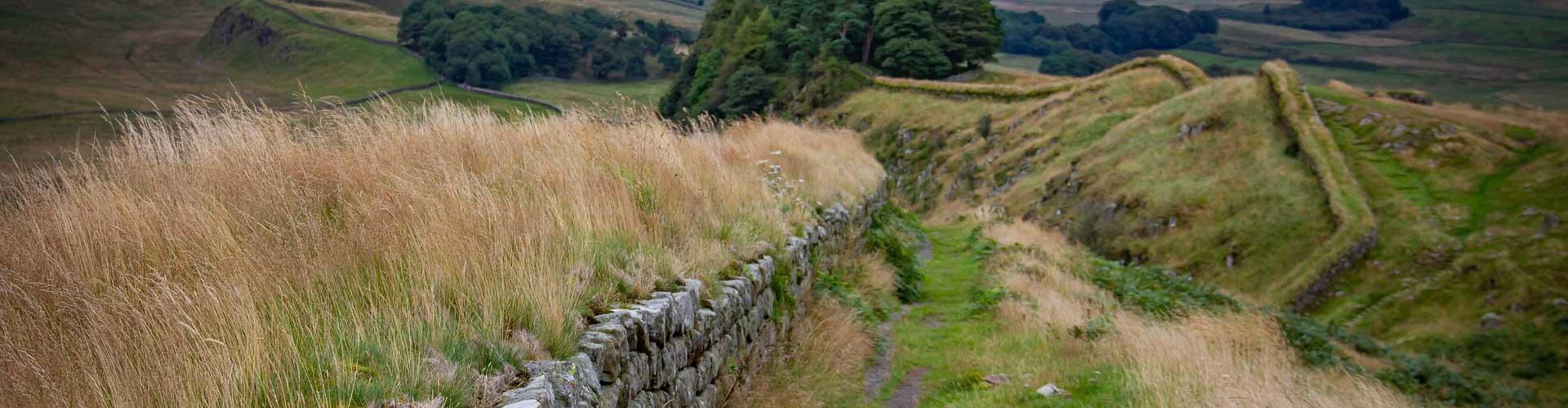
Arguably the most famous Roman structure in the UK, Hadrian’s Wall stretches 73 miles across Northern England from the Solway Firth in the west to the River Tyne in the east. Built under the orders of Emperor Hadrian in AD 122, the wall marked the northern boundary of the Roman Empire and was designed to defend against northern tribes. Today, you can walk along sections of the wall, visit various forts and museums, and imagine what life would have been like for Roman soldiers stationed here.
Must-Visit Spots Along Hadrian’s Wall:
- Housesteads Roman Fort: One of the best-preserved forts along the wall, offering stunning views of the surrounding countryside.
- Vindolanda: An active archaeological site where incredible Roman artefacts, including ancient writing tablets, have been discovered.
Bath – Somerset
The city of Bath is home to one of the most iconic Roman ruins in Britain: the Roman Baths. This remarkably well-preserved site gives visitors the chance to see how the Romans utilised natural hot springs for bathing and socialising. The baths were a central part of Roman life in the city, and today, they stand as a testament to the engineering prowess of Roman Britain.
While in Bath, you can also explore the nearby Temple of Sulis Minerva, the goddess worshipped by the Romans in this region. The impressive museum attached to the baths offers a fascinating collection of Roman artefacts, including coins, jewellery, and curse tablets thrown into the waters by ancient Britons.
Caerleon Roman Fortress – South Wales
Once a bustling Roman military stronghold, Caerleon (or Isca Augusta) was one of the three permanent Roman legionary fortresses in Britain. Situated in South Wales, Caerleon provides a vivid insight into Roman military life. Visitors can explore the well-preserved remains of the amphitheatre, barracks, and Roman baths. The fortress was home to the Second Augustan Legion and could accommodate up to 6,000 soldiers.
The National Roman Legion Museum in Caerleon also showcases artefacts from the site, giving you an even deeper understanding of Roman Britain’s military history.
Richborough Roman Fort – Kent
The site of Richborough Roman Fort, located near Sandwich in Kent, marks the place where the Roman invasion of Britain is believed to have begun in AD 43. Known as Rutupiae to the Romans, Richborough was originally a bustling port town and later became a defensive stronghold. The fort offers stunning views of the Kent countryside and features some of the best-preserved Roman walls in the UK.
Richborough’s history as the gateway to Roman Britain makes it an essential stop for anyone interested in the Roman conquest of the island. You can also explore the impressive remains of a Roman triumphal arch, which once marked the spot where Roman power entered the British Isles.
Chester Roman Amphitheatre – Cheshire
Chester, known as Deva Victrix during Roman times, was one of the largest Roman fortresses in Britain. The city’s Roman Amphitheatre is the largest of its kind in the country, capable of holding around 7,000 spectators. The amphitheatre was used for gladiatorial combat, military training, and public events. Excavations at the site have revealed incredible details about Roman life, and today, visitors can walk the ruins and imagine the thrill of ancient Roman spectacles.
While in Chester, you can also visit the Grosvenor Museum, which features Roman artefacts found in the area, including tombstones, mosaics, and everyday items used by Roman citizens.
Roman London – The Capital’s Hidden Ruins
London, or Londinium as it was known to the Romans, was the capital of Roman Britain and a major trading hub. Though modern London has grown far beyond its Roman origins, remnants of the city’s Roman past are still visible. Key Roman ruins in London include the London Wall, a defensive structure built around the city, and the Roman Amphitheatre beneath the Guildhall Art Gallery.
Visitors can also explore the Billingsgate Roman House and Baths, one of the best-preserved Roman sites in the capital, which provides a glimpse into domestic Roman life in Londinium.
Why Visit Roman Ruins and Forts in the UK?
The Roman ruins and forts scattered across the UK offer more than just an exploration of ancient stones; they provide a tangible link to the past. Visiting these sites allows us to understand how the Romans shaped Britain, from engineering feats like aqueducts and roads to the establishment of new cities and military outposts.
Moreover, these ruins are often located in stunning natural landscapes, making them perfect for a family day out or a solo adventure. Whether you’re walking along Hadrian’s Wall, soaking up history in Bath, or discovering hidden gems in London, the UK’s Roman heritage invites you to step back in time and rediscover a world that helped shape modern Britain.
Back to Articles