



Find out more about our services
With rising temperatures and unpredictable rainfall, water-wise gardening is more than a trend—it's a smart way to keep your garden healthy while conserving a vital resource. Whether you live in a drought-prone region or just want to lower your water bill, these sustainable gardening projects can help you make every drop count.1. Start with soil improvement
Healthy soil holds moisture better. Add compost and organic matter to increase water retention. Mulching is another powerful technique—it reduces evaporation, keeps roots cool, and limits weed growth.
2. Choose native and drought-tolerant plants
Plants adapted to your local environment need far less water and attention. Native species or drought-resistant options like lavender, yarrow, and sedum thrive in dry conditions and attract pollinators.
3. Group plants by watering needs
This practice, called hydrozoning, helps you water efficiently. Keep thirsty plants together and far from those that prefer dry soil, so you're not overwatering one to keep another alive.
4. Install a drip irrigation system
Drip irrigation delivers water right to the plant roots, minimizing evaporation and waste. It’s easy to install and can be used with timers for convenience. Here's a helpful guide from the University of California Agriculture & Natural Resources:
Drip Irrigation Basics from UC ANR
5. Collect rainwater
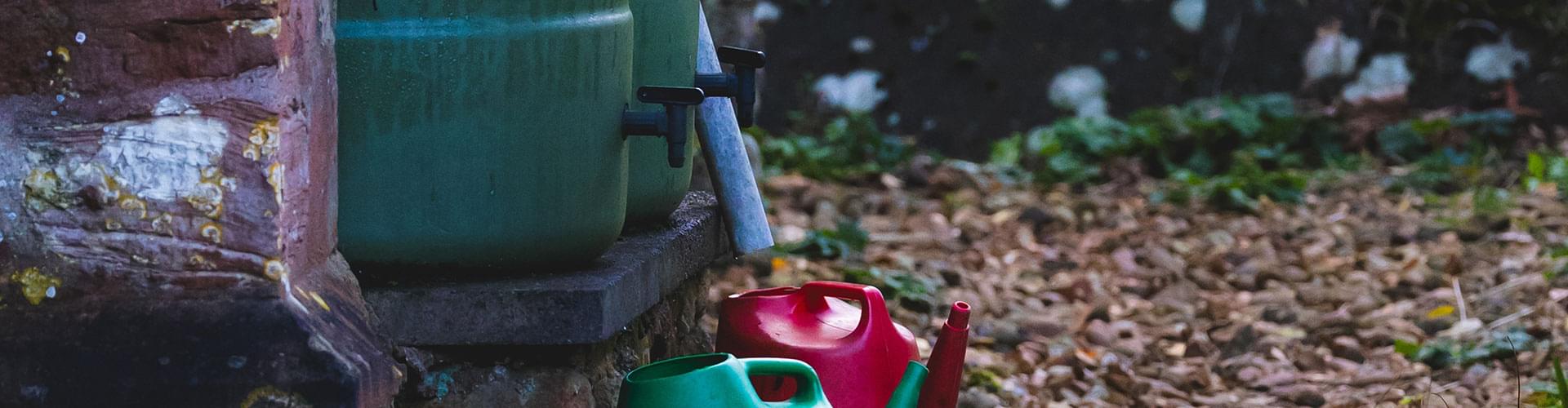
Rain barrels or water tanks are great additions to a water-wise garden. You can collect runoff from your roof and use it during dry spells. Some cities even offer rebates for installing them. Learn more from the EPA’s official page on rainwater harvesting:
EPA Guide to Rain Barrels
6. Reduce lawn areas
Lawns are notorious water hogs. Replace portions of turf with ground covers, ornamental grasses, or gravel paths. These alternatives are attractive, easier to maintain, and much more water efficient.
7. Use smart timers and moisture sensors
Modern irrigation controllers and sensors adjust watering schedules based on soil moisture and weather conditions. This prevents overwatering and saves time.
By combining these practical steps, you’ll not only conserve water but also build a more resilient, eco-friendly garden. Embrace water-wise gardening and let your landscape thrive, even when water is scarce.
Back to Articles